Empowering Animal Welfare Through Community Advocacy
Updated: 12 minutes ago
Animal welfare is a pressing issue that affects countless creatures around the globe. With millions of animals suffering from neglect, abuse, and abandonment, the need for community advocacy has never been more critical. By coming together as a community, we can create a powerful force for change, ensuring that animals receive the care and protection they deserve. This blog post explores how community advocacy can empower animal welfare, providing practical steps and inspiring examples to motivate action.
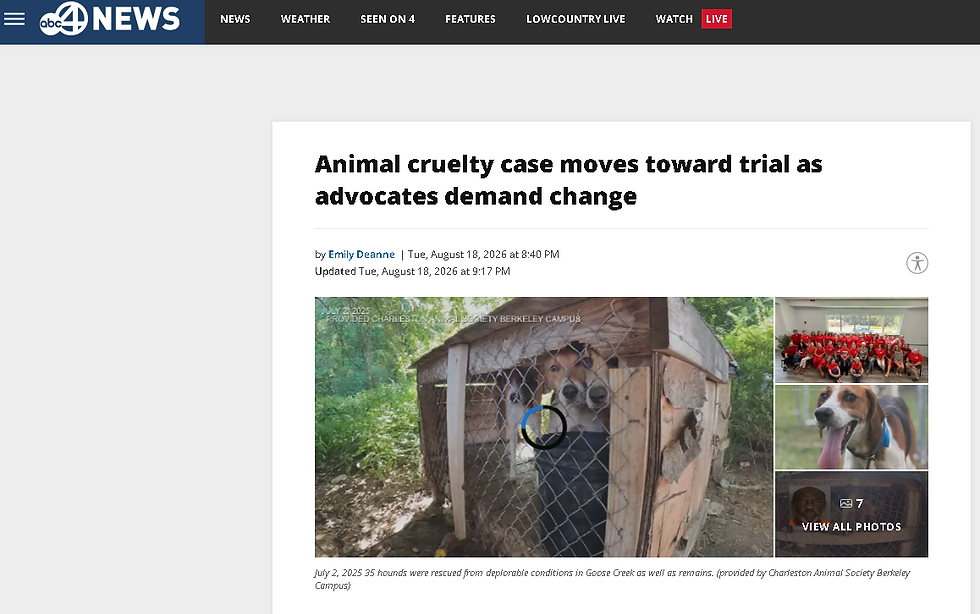
Understanding the Importance of Community Advocacy
Community advocacy plays a vital role in promoting animal welfare. It involves individuals and groups working together to raise awareness, influence policy, and provide direct support to animals in need. Here are some key reasons why community advocacy is essential:
Increased Awareness: Advocacy efforts help educate the public about animal welfare issues, fostering a culture of compassion and responsibility.
Policy Change: By lobbying for stronger animal protection laws, communities can influence local and national policies that impact animal welfare.
Building a Strong Advocacy Network
Creating a successful advocacy network requires collaboration and commitment.
Each region will have a Hub Leader, Legislative Coordinator, and Volunteer & Community Coordinator. Please email info@scawa.org if you would like to volunteer for one of the leadership roles (roughly 5-10 hours per week).
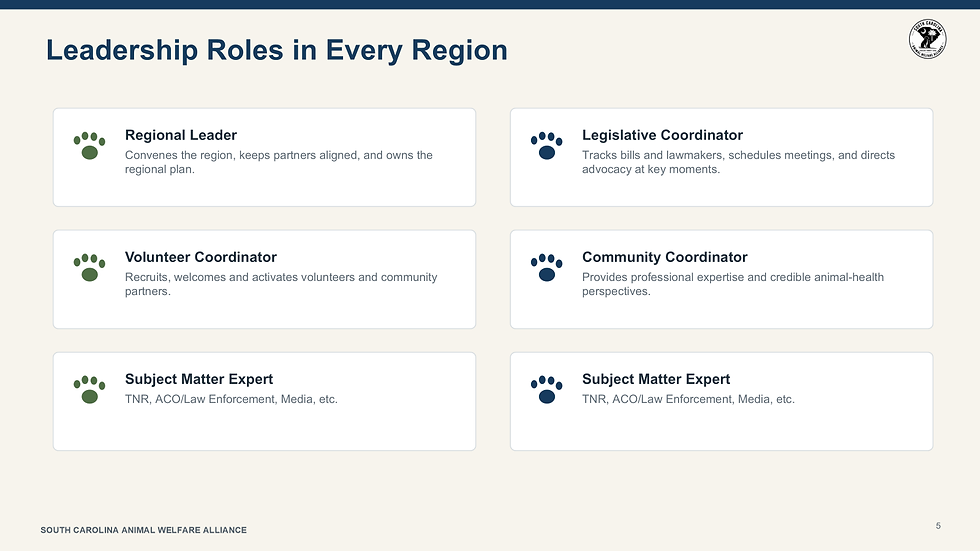
Community Coordinator: Identify Key Stakeholders
Start by identifying individuals and organizations that share a passion for animal welfare. This can include:
Local animal shelters
Veterinary clinics
Animal rescue groups
Schools and educational institutions
Community leaders and influencers
Communicate our Goal:
Lobbying for stronger animal protection laws locally and statewide
Create a Communication Strategy
Effective communication is crucial for rallying support and keeping community members informed. Consider the following:
Social Media: Use platforms like Facebook, Instagram, and Twitter to share updates, success stories, and upcoming events.
Community Meetings: Host regular meetings to discuss progress, brainstorm new ideas, and strengthen relationships among members.
Engaging the Community
To make a real impact, it’s essential to engage the community actively. Here are some effective strategies:
Volunteer Coordinator: Utilize Volunteer Power
Volunteers are the backbone of many advocacy efforts. Here’s how to effectively engage them:
Recruitment Drives: Host recruitment events to attract new volunteers and explain how they can contribute.
Success Stories of Community Advocacy
Real-life examples can inspire and motivate others to take action. Here are a few success stories that highlight the power of community advocacy in animal welfare:
The Rescue of Abandoned Animals
In a small town, a group of passionate individuals formed an advocacy group after discovering a significant number of abandoned animals in their area. They organized community meetings to raise awareness and launched a fundraising campaign to support local shelters. Within a year, they successfully raised enough funds to build a new shelter, providing a safe haven for countless animals.
Legislative Change
In another community, advocates worked tirelessly to lobby for stronger animal protection laws. They gathered signatures, organized rallies, and met with local lawmakers. Their efforts paid off when a new ordinance was passed, increasing penalties for animal cruelty and establishing stricter regulations for pet breeders. This change not only protected animals but also fostered a culture of accountability within the community.
Educational Initiatives
A group of animal lovers in a suburban area recognized the need for education on responsible pet ownership. They partnered with local schools to create an educational program that taught children about animal care and welfare. The program not only educated young minds but also inspired families to adopt pets from shelters, significantly reducing the number of homeless animals in the community.
Overcoming Challenges in Advocacy
While community advocacy can be incredibly rewarding, it also comes with challenges. Here are some common obstacles and strategies to overcome them:
Community Apathy
Engaging a community that may be indifferent to animal welfare can be challenging. To combat apathy:
Storytelling: Share compelling stories of animals in need to evoke empathy and inspire action.
Visibility: Increase visibility through public events, social media campaigns, and partnerships with local businesses.
Education: Provide educational resources that highlight the importance of animal welfare and the impact of community involvement.
Resistance to Change
Some individuals may resist changes in policies or practices related to animal welfare. To address resistance:
Open Dialogue: Foster open discussions to understand concerns and provide information that addresses misconceptions.
Highlight Benefits: Emphasize the benefits of proposed changes, such as improved community safety and enhanced animal welfare.
Involve Stakeholders: Engage key stakeholders in the decision-making process to ensure their voices are heard and considered.
Taking Action: How You Can Get Involved
Ready to make a difference in your community? Here are some actionable steps you can take:
Join South Carolina Animal Welfare Alliance
Volunteer Your Time: Volunteer and attend local meetings, even if you don't speak, showing up in red counts!
Educate Others: Share your knowledge about animal welfare with friends, family, and your community- recruit more volunteers!
Advocate for Change: Contact local lawmakers to express your support for animal welfare legislation.
By taking these steps, you can contribute to a brighter future for animals in your community.
Conclusion
Community advocacy is a powerful tool for promoting animal welfare. By coming together, we can raise awareness, influence policy, and provide direct support to animals in need. Whether through organizing events, collaborating with local businesses, or engaging in educational initiatives, every action counts. As we empower ourselves and our communities, we can create a world where all animals are treated with the compassion and respect they deserve. Let’s take action today and make a difference for animals everywhere.


Comments